Mobile Theme

Mobile Theme: Personalize Your Smartphone Experience

In today’s digital age, smartphones are not just communication tools—they are a reflection of personal style and identity. One of the easiest and most popular ways to customize a smartphone is by using a mobile theme. A mobile theme changes the overall look and feel of your device, making it more attractive, user-friendly, and unique.

What Is a Mobile Theme?

A mobile theme is a collection of visual elements that customize the appearance of a smartphone’s interface. It usually includes wallpapers, icons, fonts, lock screen styles, system colors, and sometimes sounds. Instead of changing these elements one by one, a mobile theme applies everything at once, giving your phone a fresh and consistent design.

Mobile themes are available for both Android and iOS, though Android offers more flexibility and customization options.

Types of Mobile Themes

There are various types of mobile themes available to suit different tastes and preferences:

  1. Minimal Themes
    These themes focus on simplicity, clean layouts, soft colors, and minimal icons. They are ideal for users who prefer a clutter-free and professional look.

  2. Dark Themes
    Dark themes use black or dark colors, which reduce eye strain and help save battery life, especially on AMOLED displays. They are very popular among night-time users.

  3. Nature Themes
    Nature-based themes include landscapes, flowers, oceans, forests, and sky designs. These themes give a calm and refreshing feel to the phone.

  4. Gaming Themes
    Designed for gamers, these themes feature bold colors, sharp icons, and game-inspired wallpapers. Some are based on popular games or characters.

  5. Cartoon & Anime Themes
    These themes are colorful and fun, often inspired by cartoons, anime, or animated characters. They are popular among younger users.

  6. Islamic & Cultural Themes
    Many users prefer themes with Islamic calligraphy, mosques, or cultural patterns that reflect faith and tradition.

Benefits of Using Mobile Themes

Using mobile themes offers several advantages:

  • Personalization: Customize your phone according to your mood, personality, or lifestyle.

  • Better User Experience: Well-designed themes improve readability and navigation.

  • Visual Refresh: A new theme makes your phone feel new without buying a new device.

  • Battery Efficiency: Dark themes can help reduce battery consumption.

  • Brand Identity: Some users prefer brand-inspired themes like Samsung One UI, MIUI, or Pixel themes.

Where to Download Mobile Themes

Mobile themes can be downloaded from different sources:

  • Official Theme Stores:

    • Samsung Theme Store

    • Xiaomi Theme Store (MIUI)

    • Oppo & Vivo Theme Store

  • Google Play Store:
    Many apps offer free and premium themes, icon packs, and launchers.

  • Third-Party Apps:
    Apps like launchers allow deep customization, but users should download from trusted sources to avoid security risks.

Free vs Premium Mobile Themes

  • Free Themes:
    Free themes are widely available and good for basic customization, but may include ads or limited features.

  • Premium Themes:
    Premium themes offer high-quality design, regular updates, and exclusive features. They usually provide a smoother and more polished experience.

Tips for Choosing the Best Mobile Theme

  • Choose themes that match your screen size and resolution.

  • Avoid overly heavy themes that may slow down your device.

  • Read user reviews before downloading.

  • Update themes regularly for better performance and security.

  • Use official theme stores when possible.

Mobile themes play an important role in enhancing the smartphone experience. Whether you prefer a simple, colorful, dark, or cultural design, there is a mobile theme for everyone. With thousands of options available, you can easily transform your phone’s appearance and make it truly your own. Choosing the right mobile theme not only improves visual appeal but also adds comfort and joy to everyday smartphone use.

Uses of Mobile Phones in the Banking Sector

Uses of Mobile Phones in the Banking Sector

Mobile phones have transformed almost every aspect of modern life, and the banking sector is no exception. With the rapid growth of mobile technology and internet access, banks now use mobile phones to provide faster, safer, and more convenient services to customers. Mobile banking has become an essential part of the financial system, especially in developing countries, where it helps bring banking services to people who were previously unbanked.

One of the most important uses of mobile phones in banking is mobile banking applications. Through these apps, customers can check their account balance, view transaction history, transfer money, pay utility bills, and recharge mobile credit anytime and anywhere. This reduces the need to visit bank branches, saving time and effort for both customers and banks. Mobile banking apps also help banks reduce operational costs and manage customer services more efficiently.

Mobile phones also play a major role in money transfer and digital payments. Services such as mobile wallets and mobile financial services allow users to send and receive money instantly using their phones. In countries like Bangladesh, mobile banking platforms have made it easy for people to transfer money, receive salaries, pay merchants, and conduct daily financial transactions without cash. This has increased financial inclusion and supported economic growth.

Another significant use of mobile phones in banking is bill payment and online shopping. Customers can pay electricity, gas, water, internet, and other bills directly through mobile banking services. Online shopping payments are also completed easily using mobile phones. These services have reduced long queues at banks and service offices while promoting a cashless society.

Mobile phones enhance security and fraud prevention in the banking sector. Banks use mobile-based authentication methods such as One-Time Passwords (OTP), biometric verification, and transaction alerts to ensure customer safety. Whenever a transaction is made, customers receive instant SMS or app notifications, helping them detect unauthorized activities quickly. This has increased trust and confidence in digital banking services.

Customer support and communication have also improved through mobile phones. Banks send important updates, promotional offers, payment reminders, and account alerts via SMS and mobile apps. Customers can contact customer service, submit complaints, or chat with virtual assistants directly from their mobile devices. This instant communication improves customer satisfaction and strengthens the relationship between banks and clients.

Mobile phones are widely used for loan services and financial management. Customers can apply for personal loans, check loan status, and pay installments through mobile banking apps. Some banks analyze mobile transaction data to assess creditworthiness, making loan approval faster and more accessible. Mobile phones also help users manage their finances by tracking spending, setting savings goals, and receiving budgeting tips.

In addition, mobile phones support banking services in rural and remote areas. Many people in rural regions do not have easy access to physical bank branches. Mobile banking allows them to open accounts, receive government benefits, and conduct transactions using basic feature phones. This has played a crucial role in reducing poverty and promoting inclusive banking.

In conclusion, mobile phones have become a powerful tool in the banking sector. They have improved accessibility, efficiency, security, and customer experience. As technology continues to advance, the use of mobile phones in banking will expand further, making financial services more innovative, inclusive, and convenient for everyone.

Advantages of Mobile Phones in Education

Advantages of Mobile Phones in Education

Mobile phones have become an essential part of modern life, and their role in education is increasingly significant. Once considered a distraction in classrooms, mobile phones are now recognized as powerful learning tools when used responsibly. They enhance access to information, improve communication, support personalized learning, and help students develop digital skills essential for the future. Below are the key advantages of mobile phones in education.

  1. Easy Access to Information
    One of the greatest advantages of mobile phones in education is instant access to information. Students can search for study materials, definitions, tutorials, and research articles anytime and anywhere. Educational websites, e-books, PDFs, and online libraries are available within seconds. This quick access encourages independent learning and curiosity beyond traditional textbooks.
  2. Online Learning and Educational Apps
    Mobile phones support online learning through various educational apps and platforms such as Google Classroom, YouTube, Coursera, and Khan Academy. These platforms provide video lectures, quizzes, and interactive lessons that make learning more engaging. Students can learn at their own pace, revisit difficult topics, and improve understanding through multimedia content.
  3. Improved Communication
    Mobile phones make communication easier between students, teachers, and parents. Teachers can share notices, assignments, and study materials through messaging apps or learning management systems. Students can ask questions and collaborate with classmates through group chats and discussion forums. This continuous communication helps create a supportive learning environment.
  4. Support for Remote and Distance Education
    Mobile phones play a crucial role in distance education, especially in rural or underdeveloped areas where computers and broadband internet may not be available. With a smartphone and mobile internet, students can attend online classes, submit assignments, and participate in virtual discussions. This has made education more inclusive and accessible for many learners.
  5. Personalized and Self-Paced Learning
    Every student learns differently, and mobile phones help support personalized learning. Educational apps often adapt to a student’s learning level and progress, offering customized lessons and practice exercises. Students can study at their own pace, repeat lessons as needed, and focus on areas where they need improvement.
  6. Development of Digital Skills
    Using mobile phones in education helps students develop essential digital skills such as online research, digital communication, problem-solving, and responsible internet use. These skills are important for higher education and future careers. Early exposure to technology also helps students become more confident and competent in a digital world.
  7. Cost-Effective Learning Tool
    Compared to laptops or desktop computers, mobile phones are relatively affordable. Many students already own smartphones, reducing the need for additional devices. Free or low-cost educational apps and online resources also help reduce expenses related to textbooks and printed materials.
  8. Enhanced Creativity and Engagement
    Mobile phones allow students to create videos, presentations, photos, and audio recordings for school projects. Interactive tools and gamified learning apps make lessons more enjoyable and increase student engagement. This creative use of technology can improve motivation and participation in learning activities.
  9. Time Management and Organization
    Students can use mobile phones to manage their schedules, set reminders, track assignments, and organize notes. Calendar apps, to-do lists, and note-taking tools help students stay organized and improve productivity.

In conclusion, mobile phones offer numerous advantages in education when used properly. They provide easy access to information, support online and distance learning, improve communication, and promote personalized education. While responsible use and proper guidance are necessary, mobile phones can be powerful educational tools that enhance learning experiences and prepare students for a technology-driven future.

Mobile App

Mobile App

In today’s fast-paced digital world, mobile applications have become an essential part of everyday life. Our mobile app is designed to simplify tasks, enhance productivity, and deliver a seamless user experience—all from the convenience of your smartphone. Whether you are managing daily activities, staying connected, or accessing services on the go, this app provides a smart and reliable solution tailored to your needs.

The app features a clean, intuitive interface that ensures ease of use for users of all ages. From the moment you open the app, navigation feels smooth and effortless. Thoughtfully designed layouts, clear icons, and responsive controls allow users to complete actions quickly without confusion. No technical expertise is required—everything is built to be simple, efficient, and user-friendly.

Performance and reliability are at the core of the app’s functionality. Built using modern technologies, the app loads quickly, runs smoothly, and consumes minimal device resources. Regular updates ensure improved performance, enhanced security, and access to the latest features. Whether you are using the app on Android or iOS, you can expect consistent functionality across all devices.

One of the app’s key strengths is personalization. Users can customize settings, notifications, and preferences to match their individual requirements. This personalized experience helps users stay organized, focused, and in control. Smart reminders, real-time updates, and intelligent recommendations ensure that you never miss important information or opportunities.

Security and privacy are treated with the highest priority. The app uses advanced encryption and secure authentication methods to protect user data at all times. Personal information remains confidential, and users have full control over their data. With transparent privacy policies and secure systems in place, users can trust the app with confidence.

The app also supports seamless integration with other tools and platforms, enhancing its overall usability. Whether syncing data, sharing information, or accessing cloud services, the app works effortlessly within your digital ecosystem. This integration saves time, reduces manual effort, and improves overall efficiency.

Designed to evolve with user needs, the app is continuously improved based on user feedback. New features and enhancements are introduced regularly to ensure relevance and long-term value. Our dedicated support team is always available to assist users and ensure a smooth experience.

In summary, this mobile app is a powerful, reliable, and user-centric solution built to make everyday life easier. By combining intuitive design, strong performance, robust security, and personalized features, the app delivers real value to users anytime, anywhere. Download the app today and experience convenience, efficiency, and innovation at your fingertips.

Mobile Phone Users in Bangladesh

Mobile Phone Users in Bangladesh

Mobile phone usage in Bangladesh has grown rapidly over the past two decades, transforming the country’s communication system, economy, and daily lifestyle. Today, mobile phones are no longer a luxury; they are a basic necessity for people of all ages and professions. From urban cities to remote rural areas, mobile phones have connected millions of Bangladeshis to information, services, and opportunities.

Mobile Phone Users in Bangladesh

According to recent data, Bangladesh has over 180 million mobile subscribers, making it one of the largest mobile markets in South Asia. The widespread availability of affordable smartphones and competitive mobile network operators such as Grameenphone, Robi, Banglalink, and Teletalk have played a major role in this growth. Low-cost internet packages and budget smartphones have enabled even low-income users to access digital services.

Mobile phones have significantly improved communication in Bangladesh. People can easily stay in touch with family members, especially migrant workers living abroad. Video calls, messaging apps, and social media platforms like Facebook, WhatsApp, and IMO are extremely popular. These tools help maintain social bonds and reduce communication barriers across distances.

The impact of mobile phone usage on the economy is also remarkable. Mobile financial services such as bKash, Nagad, and Rocket have revolutionized money transactions. Millions of people now use mobile wallets for sending money, paying bills, shopping online, and receiving salaries or government support. This has increased financial inclusion, especially among rural populations who previously had limited access to banking services.

In education, mobile phones play an important role for students and teachers. Online classes, educational apps, YouTube tutorials, and digital libraries have become common, especially after the COVID-19 pandemic. Students can access learning materials anytime and anywhere, making education more flexible and inclusive.

Mobile phones are also essential for business and employment. Small entrepreneurs use smartphones for online marketing, customer communication, and mobile banking. Freelancers and digital marketers rely heavily on mobile internet to work with local and international clients. Ride-sharing apps, food delivery services, and e-commerce platforms have created new job opportunities for young people.

However, excessive mobile phone usage has also created challenges. Smartphone addiction, misuse of social media, cybercrime, and online fraud are growing concerns. Parents and educators worry about the negative impact of excessive screen time on children and teenagers. Digital awareness and responsible usage are necessary to overcome these issues.

In conclusion, mobile phone users in Bangladesh have experienced both positive and negative effects from this digital revolution. Mobile phones have improved communication, boosted economic growth, expanded education, and increased financial inclusion. With proper regulation, digital literacy, and responsible usage, mobile phones will continue to play a vital role in building a smarter and more connected Bangladesh.

Xiaomi mobile phones available or trending in Bangladesh

Here are some of the latest Xiaomi mobile phones available or trending in Bangladesh in late 2025 — from budget to flagship options:

📱 Flagship & High-End Xiaomi Phones

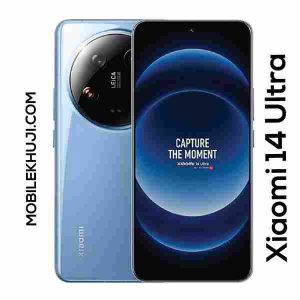
  1. Xiaomi 15 Ultra – Top-tier flagship with powerful Snapdragon chipset and excellent camera performance. Xiaomi 15 – Premium flagship-class phone with strong performance and balanced features.
  2. Xiaomi 17 Series (17 / 17 Pro / 17 Pro Max / 17 Ultra) – Brand-new 2025 series succeeding the 15 lineup with Snapdragon 8 Elite Gen 5 CPUs and big batteries; global/Bangladesh availability may vary or be upcoming. Note: The Xiaomi 17 Ultra was announced/launched in China with next-gen camera tech (200 MP periscope & rotating zoom ring), but its Bangladesh release timing isn’t confirmed yet.

📱 Mid-Range & Popular Everyday Phones

  1. Xiaomi Redmi Note 15 Pro+ – Powerful mid-range with big screen and 200 MP camera.
  2. Xiaomi Redmi Note 15 Pro / Note 15 – Excellent mid-range with strong performance and battery life.
  3. Xiaomi Redmi 15 4G / Redmi 15 5G – Newer budget-friendly models with large battery (7000 mAh) and smooth displays — official Redmi 15 4G launched in Bangladesh in September 2025.

📱 Budget & Entry-Level Options

  1. Xiaomi Poco C85 – Affordable 50 MP camera phone with big battery.
  2. Other Redmi Series Models – Including Redmi A5, Redmi Note 14 / 14 Pro, and Redmi 14C — great choices if you want value for money

💸 Price Range (Approx. in Bangladesh, 2025)

  • Flagship phones: ~৳90,000 – ৳195,000+ (e.g., Xiaomi 15 Ultra)
  • Mid-range: ~৳40,000 – ৳75,000 (Redmi Note 15 series)

Budget: ~৳18,000 – ৳30,000+ (Redmi 15 / Poco C85 / entry Redmi mode

iPhone in Bangladesh

The Popularity of iPhones in Bangladesh

Apple’s iPhone has become a symbol of innovation, prestige, and modernity across the globe, and Bangladesh is no exception. Over the past decade, the popularity of iPhones in Bangladesh has seen significant growth. From being a luxury product for the elite to becoming more accessible to the growing middle class, iPhones have steadily captured the imagination of tech enthusiasts and status-conscious consumers in the country.

The Growing Demand for iPhones

Bangladesh is one of the fastest-growing economies in Asia, with increasing urbanization and a rising middle class. This economic growth has had a direct impact on the country’s smartphone market. Despite the presence of numerous Android brands offering affordable devices, iPhones continue to maintain a unique position in the market due to their premium quality, design, and exclusive ecosystem.

Several factors contribute to the growing demand for iPhones in Bangladesh:

  1. Status Symbol: Owning an iPhone is often perceived as a mark of social status and success. It is a coveted device that signifies wealth and sophistication in Bangladeshi society.
  2. Brand Loyalty: Apple’s reputation for delivering top-tier products with unparalleled user experience has created a loyal customer base in Bangladesh.
  3. Superior Build Quality: iPhones are known for their premium build quality, advanced technology, and longevity, making them a desirable choice for tech-savvy individuals.
  4. Ecosystem Advantage: The seamless integration of Apple products like the iPhone, iPad, MacBook, and Apple Watch creates a cohesive ecosystem that appeals to users who prefer interconnected devices.
  5. Increased Accessibility: Over the years, Apple has introduced more affordable models, such as the iPhone SE, which cater to budget-conscious buyers while still offering the Apple experience.

Challenges in the Bangladeshi Market

While iPhones enjoy a significant following, there are several challenges in the Bangladeshi market:

  1. High Price: One of the biggest hurdles for iPhones in Bangladesh is their high price point. Imported iPhones often come with hefty taxes and duties, making them even more expensive than in other markets.
  2. Counterfeit Products: The prevalence of fake or refurbished iPhones in the market poses a challenge for buyers. Many unsuspecting consumers end up purchasing counterfeit devices that do not deliver the promised performance.
  3. Limited Availability: Although the number of authorized Apple resellers has increased, the availability of the latest models is sometimes delayed compared to other countries.
  4. Repair and Maintenance: The cost of repairing an iPhone is relatively high, and finding genuine parts or reliable service centers can be difficult.
  5. Competition: The Bangladeshi market is flooded with budget-friendly Android smartphones from brands like Samsung, Xiaomi, and Realme, which often offer competitive features at a fraction of the price.

The Role of Official Resellers

The presence of official Apple resellers, such as iStore and Gadget & Gear, has been instrumental in expanding the reach of iPhones in Bangladesh. These resellers offer authentic products with warranties and after-sales support, ensuring a trustworthy shopping experience for customers.

Authorized resellers also provide financing options, allowing customers to purchase iPhones on monthly installment plans. This has made it easier for many Bangladeshis to afford an iPhone without a significant upfront cost.

The Impact of E-commerce

The rise of e-commerce platforms like Daraz, Pickaboo, and Robishop has made it more convenient for consumers to buy iPhones online. These platforms often offer exclusive discounts, promotions, and EMI (Equated Monthly Installment) options, making iPhones more accessible to a broader audience.

During major shopping events like Black Friday, 11.11, and Pahela Baishakh sales, customers can find attractive deals on iPhones, further boosting their popularity in the market.

Popular iPhone Models in Bangladesh

In Bangladesh, both the latest models and older versions of the iPhone are in demand. Here are some of the most popular iPhone models:

  1. iPhone 14 Series: With its advanced features like Dynamic Island, improved cameras, and A16 Bionic chip, the iPhone 14 series has gained traction among premium users.
  2. iPhone 13 Series: The iPhone 13 series continues to be a favorite due to its excellent performance and relatively lower price compared to the latest models.
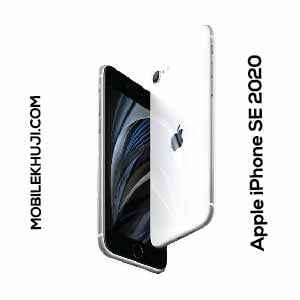
  3. iPhone SE (2022): The affordability and compact design of the iPhone SE make it a popular choice among budget-conscious buyers who still want the Apple experience.
  4. iPhone 12 Series: Many consumers opt for the iPhone 12 series as it offers 5G connectivity and a modern design at a more accessible price point.
  5. Older Models: Models like the iPhone 11 and iPhone XR remain popular due to their durability and performance, especially in the second-hand market.

The Second-Hand Market

The second-hand market for iPhones in Bangladesh is thriving. Many consumers prefer buying pre-owned or refurbished iPhones to enjoy premium features at a reduced cost. Online platforms like Bikroy and Swap are popular for buying and selling used iPhones.

However, buyers in the second-hand market must exercise caution to avoid counterfeit or malfunctioning devices. It is always recommended to purchase from reputable sellers or inspect the device thoroughly before completing the transaction.

Future Prospects

The future of iPhones in Bangladesh looks promising as the country continues to experience economic growth and technological advancement. The following trends are likely to shape the market in the coming years:

  1. Localized Strategies: Apple may consider tailoring its strategies to cater to the Bangladeshi market, such as introducing more budget-friendly models or offering localized services.
  2. Increased Availability: With the expansion of official Apple stores and resellers, iPhones are expected to become more readily available in the country.
  3. 5G Adoption: As Bangladesh transitions to 5G technology, the demand for 5G-enabled iPhones is likely to increase.
  4. Youth Market: With a large and tech-savvy youth population, Apple can tap into this demographic by promoting the lifestyle and entertainment features of iPhones.
  5. Ecosystem Expansion: Apple’s ecosystem, including services like iCloud, Apple Music, and Apple TV+, is expected to grow in popularity, encouraging more users to adopt iPhones.

Summery

The iPhone’s journey in Bangladesh reflects a blend of aspiration, innovation, and practicality. Despite challenges like high prices and competition, iPhones have carved out a niche in the market as a symbol of prestige and quality. As economic conditions improve and technology becomes more accessible, the iPhone is likely to strengthen its position in Bangladesh’s smartphone landscape. With the right strategies, Apple has the potential to make its iconic devices a staple for millions of Bangladeshi consumers.


Best Gaming Mobile in Bangladesh

Best Gaming Mobile in Bangladesh

When it comes to gaming smartphones, the choice is vast, with numerous devices offering high performance, stunning displays, and exceptional battery life. In this guide, we will explore the top gaming smartphones in 2024 based on their gaming capabilities, design, and overall performance.

Key Features to Look for in a Gaming Smartphone

Before diving into the list of top gaming smartphones, it’s essential to understand the features that make a phone great for gaming. These include:

  1. Performance (Processor & RAM): A gaming phone needs a powerful chipset to run modern games smoothly. Look for devices with the latest processors like the Qualcomm Snapdragon 8 Gen 3 or Apple’s A17 Bionic. The more RAM, the better, with a minimum of 12GB for a lag-free experience.
  2. Graphics (GPU): A good GPU ensures that your games run at high frame rates with smooth graphics. Many gaming smartphones come with dedicated graphics processors to enhance gaming performance.
  3. Display Quality: A high refresh rate (90Hz or above) and low latency are key for a smooth gaming experience. OLED or AMOLED screens offer vibrant colors, while higher resolutions like FHD+ or QHD+ are ideal for sharp visuals.
  4. Battery Life: Gaming consumes a lot of power, so a larger battery (5000mAh or above) is crucial for long gaming sessions. Fast charging capabilities (at least 30W) ensure that your phone charges quickly when not in use.
  5. Cooling System: Intense gaming sessions generate heat, so a dedicated cooling system (liquid cooling or vapor chamber) ensures that your phone remains cool under heavy load.Best Gaming Mobile in Bangladesh

Best Gaming Smartphones of 2024

1. Asus ROG Phone 8

Asus has long been a top player in the gaming phone market, and the Asus ROG Phone 8 continues this trend with remarkable specifications. Powered by the Snapdragon 8 Gen 3 chipset, it comes with up to 16GB of RAM and 512GB of internal storage. This ensures you can handle the most demanding games and multitask without any hiccups.

The 6.78-inch AMOLED display supports a 165Hz refresh rate and 720Hz touch sampling rate, making it incredibly responsive for fast-paced games. The 6000mAh battery offers exceptional longevity, and with 65W fast charging, you won’t have to wait long to get back to gaming. Asus’ custom GameCool 7 cooling system keeps the phone from overheating during extended gaming sessions.

Additionally, the ROG Phone 8 has customizable shoulder triggers, allowing for a more console-like experience. The Quad DAC audio system provides high-quality sound, which adds to the immersive experience.

2. Xiaomi Black Shark 6

Xiaomi’s Black Shark 6 is another powerhouse designed specifically for gaming. It’s powered by the Snapdragon 8 Gen 3, paired with 12GB/16GB RAM and 256GB/512GB storage options. The performance is exceptional, handling even the most resource-intensive games like PUBG Mobile or Genshin Impact without breaking a sweat.

The 6.67-inch AMOLED screen has a 144Hz refresh rate and 1000Hz touch sampling rate, ensuring that every touch is registered with lightning speed. For battery, the 5500mAh battery lasts for long gaming sessions, and 120W fast charging means you won’t be off the grid for long.

The Black Shark 6 also features liquid cooling 2.0 to prevent overheating, ensuring stable performance during intense gaming. The addition of magnetic pop-up triggers offers extra control, further enhancing the gaming experience.

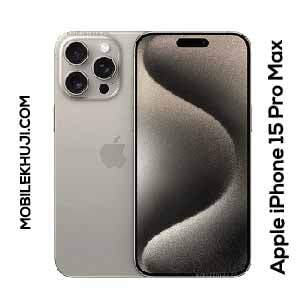
3. iPhone 15 Pro Max

While Apple’s iPhone 15 Pro Max isn’t marketed as a gaming phone, its performance is more than capable of handling any gaming task. With the A17 Pro chip, it delivers exceptional processing power, backed by up to 12GB of RAM. The ProMotion 120Hz OLED display offers fluid and responsive visuals, which is ideal for gaming.

The iPhone 15 Pro Max’s battery life is optimized for gaming, and with USB-C fast charging, you can quickly power up during breaks. The cooling system in the iPhone 15 Pro Max is top-notch, using an advanced thermal architecture to ensure that the device stays cool, even during extended gaming sessions.

Apple’s ecosystem of games and apps, along with a smooth integration of hardware and software, ensures a seamless and immersive gaming experience. While iOS may not have as many customization options as Android, it’s a solid choice for casual and competitive gamers alike.

4. Lenovo Legion Phone 3 Pro

Lenovo’s Legion Phone 3 Pro offers impressive gaming performance and innovative features. Powered by the Snapdragon 8 Gen 3 chipset, paired with up to 18GB RAM and 512GB internal storage, this phone is a true gaming beast.

One of the standout features of the Legion Phone 3 Pro is its dual front-facing speakers, which offer high-quality sound for immersive gameplay. The phone also features a 6.92-inch AMOLED display with a 144Hz refresh rate and 720Hz touch sampling rate, ensuring smooth visuals and responsive controls.

Lenovo’s cooling system includes dual fans and a vapor chamber, ensuring that your phone stays cool during intense gaming sessions. The 5500mAh battery and 90W fast charging allow you to play for extended periods without worrying about running out of power.

5. Realme GT 2 Pro

Realme’s GT 2 Pro is an excellent mid-range gaming phone that doesn’t skimp on performance. Powered by the Snapdragon 8 Gen 3, it offers great performance for a variety of games. The 12GB of RAM ensures smooth multitasking and gaming, while 256GB of storage provides plenty of room for your games and data.

The 6.7-inch AMOLED display with a 120Hz refresh rate provides vibrant visuals, while the 5000mAh battery ensures long-lasting gameplay. 65W SuperDart fast charging means you’ll be ready for the next round of gaming in no time.

Realme also includes a dynamic cooling system to prevent overheating, ensuring that your phone stays cool, even after extended gaming sessions.

Summery

When choosing a gaming smartphone, you’ll need to balance performance, display quality, battery life, and cooling efficiency. The Asus ROG Phone 8 and Xiaomi Black Shark 6 are at the top of the list for serious gamers due to their high refresh rates, robust processors, and innovative cooling systems. However, if you prefer Apple’s ecosystem, the iPhone 15 Pro Max is a fantastic option, offering exceptional gaming performance along with other premium features.

Ultimately, the best phone for you will depend on your preferences, such as operating system, brand loyalty, and specific gaming requirements. Whether you’re a casual gamer or a competitive player, these devices will elevate your mobile gaming experience.

also info

Top 5 brand mobile in the world

Top 5 brand mobile in the world

We can’t provide real-time data or preferences, but can offer some popular branded mobile phones in the world.

 Apple iPhone:

 Renowned for its sleek design, powerful performance, and user-friendly interface, the iPhone consistently ranks among the top choices for smartphone users worldwide. With each new release, Apple introduces innovative features and improvements to its hardware and software, maintaining its position as a market leader.

 Samsung Galaxy:

 Samsung’s Galaxy series offers a diverse range of smartphones catering to different budgets and preferences. From the flagship Galaxy S series to the more affordable Galaxy A series, Samsung devices are known for their vibrant displays, impressive camera systems, and advanced technology features.

 Google Pixel:

 Google Pixel phones are celebrated for their exceptional camera quality, clean Android experience, and timely software updates directly from Google. The Pixel lineup often sets the standard for Android smartphones in terms of photography and software optimization.

 OnePlus:

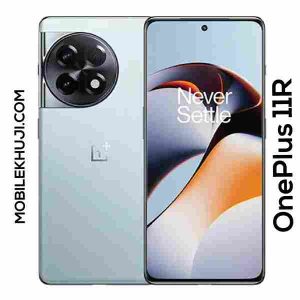
 OnePlus devices are popular among enthusiasts for their high-performance hardware, minimalist design, and relatively affordable pricing compared to other flagship smartphones. Known for their smooth user experience and fast charging capabilities, OnePlus phones appeal to tech-savvy consumers.

 Xiaomi:

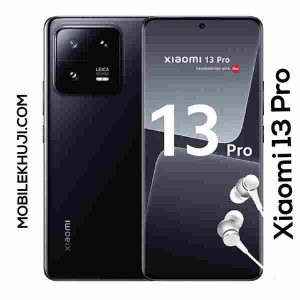
 Xiaomi has gained significant traction in the smartphone market with its competitively priced devices offering impressive specifications. The company’s Mi and Redmi series smartphones often feature large displays, long-lasting batteries, and versatile camera setups, making them popular choices in various regions worldwide.

 These are just a few examples, and there are many other reputable brands in the market, such as Huawei, Oppo, and Vivo, each with its own strengths and unique selling points. When choosing a branded mobile phone, it’s essential to consider factors such as budget, desired features, and personal preferences to find the best fit for your needs. Additionally, staying updated on the latest releases and reading reviews can help make an informed decision.

More Mobile

Also info

Advantages and Disadvantages of Using Mobile Phones

Advantages and Disadvantages of Using Mobile Phones:


Advantages of Mobile Phone Usage:

Communication: Mobile phones have revolutionized communication, enabling individuals to connect instantly irrespective of geographical barriers. This facilitates efficient communication for personal, professional, and emergency purposes.


Accessibility to Information: With internet connectivity, mobile phones grant users access to a vast repository of information. This empowers users to stay informed, learn new things, and access educational resources regardless of their location.

Advantages and Disadvantages of Using Mobile Phones

Productivity: Mobile phones serve as multifunctional devices, allowing users to manage tasks, schedule appointments, set reminders, and access productivity applications. This enhances efficiency and time management.


Entertainment: Mobile phones provide a myriad of entertainment options such as streaming videos, playing games, listening to music, and accessing social media platforms. They serve as portable entertainment hubs, offering recreation and relaxation on-the-go.


Navigation and GPS: Mobile phones equipped with GPS technology facilitate navigation, helping users find directions, locate points of interest, and navigate unfamiliar terrain. This feature is invaluable for travelers and commuters.


Emergency Assistance: Mobile phones play a crucial role in emergency situations, enabling users to call for help, report emergencies, and access emergency services promptly. This can potentially save lives in critical situations.


E-commerce and Banking: Mobile phones facilitate e-commerce transactions and mobile banking, allowing users to shop online, transfer funds, pay bills, and manage finances conveniently from their devices. This fosters financial inclusion and convenience.

Advantages and Disadvantages of Using Mobile Phones

Social Connectivity: Mobile phones enable users to stay connected with friends, family, and colleagues through voice calls, messaging apps, and social media platforms. They facilitate social networking and foster interpersonal relationships.


Photography and Videography: The integration of high-quality cameras in mobile phones has transformed them into powerful photography and videography tools. Users can capture memorable moments, document experiences, and express creativity through visual media.


Health and Fitness: Mobile phone applications cater to health and fitness enthusiasts by offering features such as activity tracking, calorie counting, workout planning, and access to health-related information. This promotes personal well-being and encourages a healthier lifestyle.


Disadvantages of Mobile Phone Usage:


Distraction: Mobile phones can be highly distracting, diverting users’ attention from important tasks, responsibilities, and interpersonal interactions. Excessive smartphone usage contributes to decreased productivity and concentration.


Addiction: The addictive nature of mobile phones, particularly social media apps and online games, can lead to problematic usage patterns and compulsive behavior. Smartphone addiction adversely affects mental health and social relationships.


Privacy Concerns: Mobile phones collect vast amounts of personal data, raising concerns regarding privacy infringement, data breaches, and surveillance. Users may unwittingly disclose sensitive information or become targets of cyberattacks.

Advantages and Disadvantages of Using Mobile Phones

Health Risks: Prolonged exposure to mobile phone radiation has been linked to various health risks, including increased cancer risk, disrupted sleep patterns, eye strain, and musculoskeletal problems. Excessive smartphone usage also contributes to sedentary lifestyles and obesity.


Social Isolation: Despite facilitating virtual connectivity, mobile phones can contribute to social isolation and loneliness by diminishing face-to-face interactions and interpersonal communication. Excessive reliance on digital communication may erode real-world social skills.


Cyberbullying and Harassment: Mobile phones provide a platform for cyberbullying, harassment, and online abuse. Social media platforms and messaging apps can be exploited for malicious purposes, leading to psychological distress and harm.


Digital Divide: Disparities in access to mobile phones and internet connectivity exacerbate existing socioeconomic inequalities, creating a digital divide. Marginalized populations, including low-income individuals and rural communities, may lack access to essential mobile technologies.


Distorted Reality: The pervasive use of mobile phones, particularly among younger generations, can distort perceptions of reality and contribute to unrealistic expectations fueled by curated online content. This phenomenon may lead to feelings of inadequacy and self-comparison.


Distracted Driving: The use of mobile phones while driving poses significant safety risks, increasing the likelihood of accidents, injuries, and fatalities. Despite awareness campaigns and legislation, distracted driving remains a prevalent issue globally.


Environmental Impact: The production, use, and disposal of mobile phones contribute to environmental degradation through resource depletion, electronic waste generation, and pollution. Sustainable practices and responsible disposal mechanisms are essential to mitigate these impacts.


In conclusion, mobile phones offer numerous advantages in terms of communication, information access, productivity, and entertainment. However, they also pose significant disadvantages such as distraction, addiction, privacy concerns, and health risks. It is imperative for individuals, policymakers, and technology companies to address these challenges while harnessing the potential of mobile technology for positive social impact. Balancing the benefits and drawbacks of mobile phone usage is essential in fostering a healthy and sustainable digital ecosystem.

web